
Best Time to Visit Masai Mara Kenya
Introduction to Masai Mara National Reserve
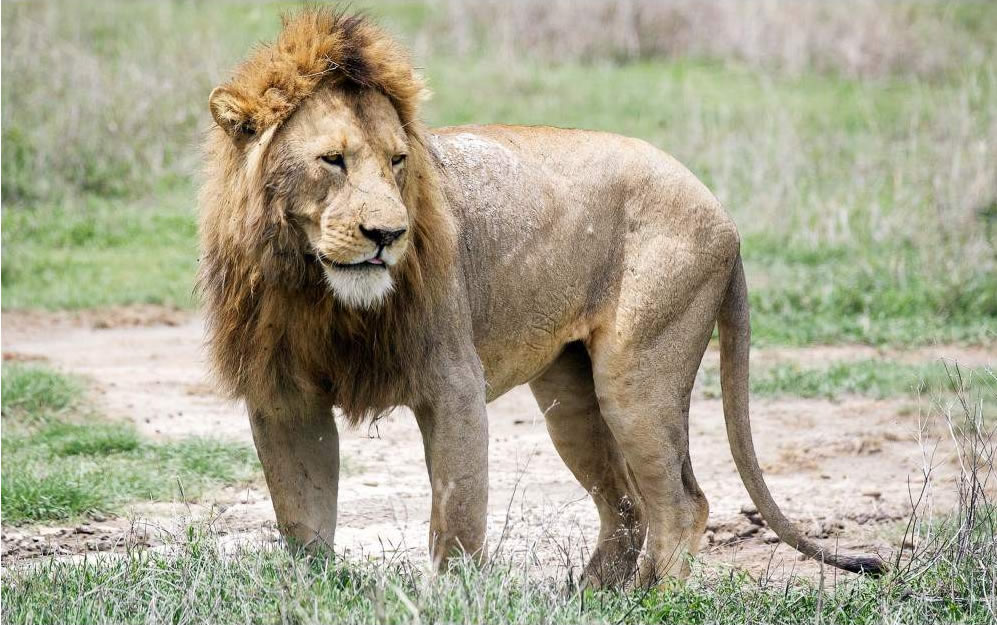
Nestled in the heart of Kenya, Masai Mara National Reserve is a paradise for wildlife enthusiasts and nature lovers alike. This breathtaking expanse is famous for its stunning landscapes and rich biodiversity. Home to the iconic Big Five—lions, elephants, buffaloes, leopards, and rhinoceroses—Masai Mara draws visitors from all around the globe.
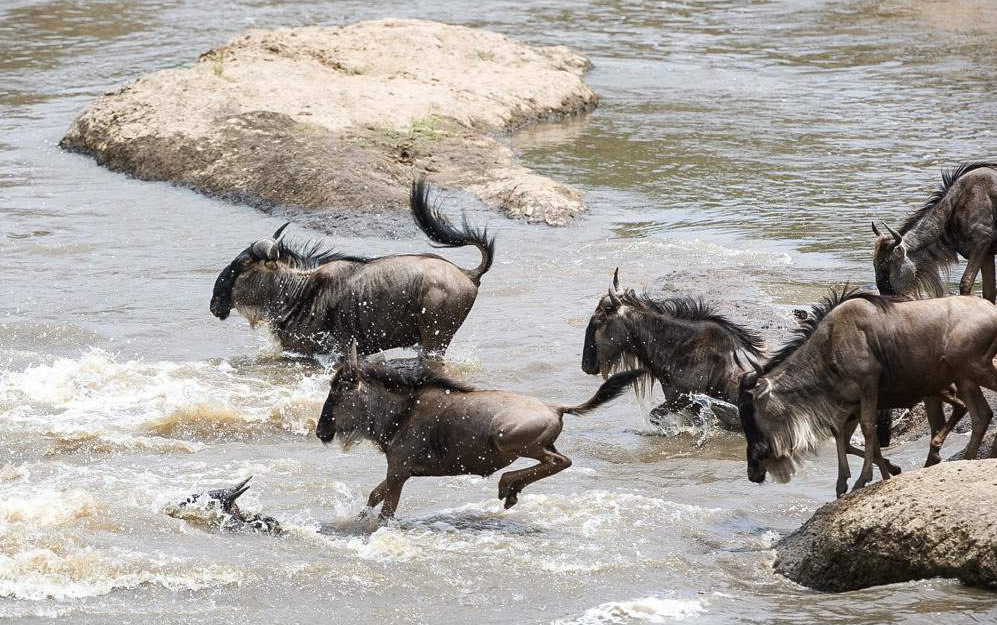
Imagine witnessing the Great Migration as millions of wildebeest and zebras traverse this remarkable terrain in search of greener pastures. The sounds of nature envelop you while you embark on thrilling safari adventures under vast African skies. But when is the best time to visit this mesmerizing destination? Let’s explore what makes each season unique to help you plan your perfect Kenyan safari experience!
Weather and Climate in Masai Mara
The weather in Masai Mara is largely influenced by its altitude and location. Situated at a high elevation, the reserve experiences cooler temperatures compared to other regions of Kenya.
Rainfall patterns are distinct, with two main seasons. The long rains occur from March to May, while short rains happen between November and December. These periods can bring heavy downpours, transforming the landscape into a lush paradise.
During dry months from June to October, temperatures remain mild during the day but can drop significantly at night. This time offers clear skies perfect for game drives.
Wildlife activity peaks as animals gather around water sources in search of hydration. Visitors are treated to vibrant scenery and dynamic wildlife interactions throughout this period.
Temperatures generally range from 10°C at night to 30°C during sunny days, making it essential for travelers to pack layers when exploring this stunning environment.
Peak Tourist Season in Masai Mara
The peak tourist season in Masai Mara typically runs from July to October. This period coincides with the Great Migration, when millions of wildebeest and zebras traverse the plains in search of greener pastures. It’s a spectacular sight that draws travelers from around the globe.
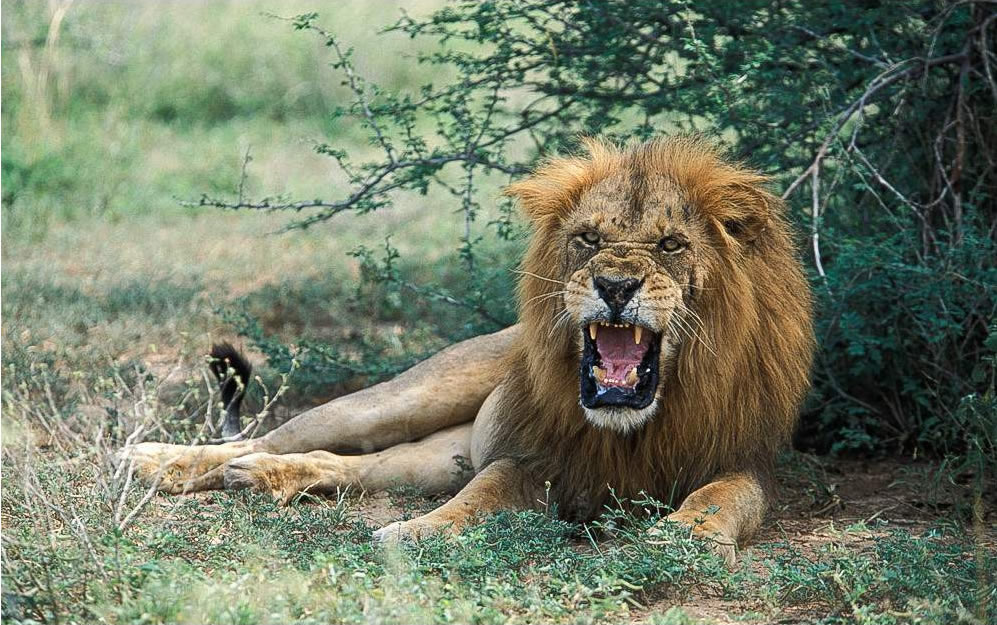
During these months, wildlife activity is at its highest. Predators are on the hunt, making it an exhilarating time for game drives. Visitors can expect thrilling encounters with lions, cheetahs, and more.
However, this influx means busier lodges and campsites. Booking well in advance becomes essential to secure your spot during this sought-after time.
Despite the crowds, witnessing nature’s drama unfolds creates unforgettable memories. The vibrant landscapes coupled with diverse wildlife make for incredible experiences that photographers cherish long after their visit ends.
Off-Peak Season: Pros and Cons
Visiting Masai Mara during the off-peak season has its unique charm. The landscape transforms into a lush paradise, vibrant and full of life. Fewer tourists mean more intimate experiences with nature.
However, wildlife sightings can be less predictable compared to peak times. Animals may not congregate as freely, making spotting them a bit challenging.
On the plus side, accommodation rates often drop significantly. This makes it easier on your wallet while still enjoying stunning scenery and culture.
The weather can also be unpredictable; sudden rains might interrupt outdoor plans. Yet, these showers bring out refreshing green hues in the savannah that are breathtaking.
Your experience will feel personal and unhurried amidst fewer crowds, allowing you to truly connect with this magnificent ecosystem. Embrace both sides of visiting during this quieter time at Masai Mara for an adventure unlike any other!
Best Time for Wildlife Viewing
The Masai Mara is renowned for its diverse wildlife, and timing your visit can make all the difference. The months from July to October are particularly special. This period marks the Great Migration when millions of wildebeest and zebras traverse the plains in search of greener pastures.
During this time, predator activity escalates dramatically. Lions, cheetahs, and hyenas take advantage of the abundance of prey. It’s an exhilarating experience for any wildlife enthusiast.
In contrast, the wet season from November to May offers opportunities to see newborn animals as they arrive in lush landscapes. While viewing may be less predictable during rainy spells, it creates a unique atmosphere filled with vibrant colors.
Regardless of when you choose to go on your Kenya safaris adventure, there’s always something spectacular waiting around every corner in Masai Mara’s stunning ecosystems. Each season reveals different aspects of wildlife behavior that enrich your safari experience.
Best Time for Photography
The Masai Mara offers breathtaking landscapes that can make any photographer’s heart race. The golden light during early morning and late afternoon is particularly magical. These hours, often referred to as the “golden hour,” create stunning contrasts in your images.
During the dry season from July to October, wildlife congregates around water sources. This makes for perfect opportunities to capture animals in their natural habitat. Imagine elephants drinking at sunset or a pride of lions basking under the warm glow of dusk.
Cloudy days can also enhance your photography by softening harsh shadows and creating dramatic skies. Don’t shy away from overcast weather; it often leads to unique shots with rich colors.
Always be ready for spontaneous moments too! A cheetah sprinting across the plains or a bird taking flight can happen when you least expect it, making each trip unforgettable and full of surprises.
Tips for Planning Your Visit
When planning your visit to Masai Mara, timing is crucial. Research the migration patterns if you want to witness the Great Migration; it typically peaks between July and October.
Book accommodations well in advance, especially during peak tourist season. Options range from luxury lodges to budget-friendly campsites. Each offers a unique experience.
Consider hiring a local guide for an authentic perspective of the wildlife and culture. Their insights enrich your safari adventure significantly.
Pack wisely for varying weather conditions—layers are key! Don’t forget essentials like binoculars, a camera with zoom capabilities, and comfortable walking shoes.
Be respectful of the wildlife and local communities. Maintain safe distances while observing animals and leave no trace behind during your stay.
Conclusion
Masai Mara National Reserve is a breathtaking destination that draws travelers from around the globe. With its stunning landscapes, rich wildlife, and vibrant culture, it offers an unforgettable experience for adventurers and nature lovers alike.
Understanding the weather patterns will help you plan your visit effectively. The climate in Masai Mara varies throughout the year, influencing both temperature and rainfall. Generally cooler months are best for those looking to avoid excessive heat while enjoying outdoor activities.
Peak tourist season attracts many visitors eager to witness extraordinary wildlife migrations. This period coincides with ideal weather conditions but can bring larger crowds as well. If you’re seeking a lively atmosphere filled with fellow travelers, this might be the perfect time for you.
However, exploring during the off-peak season has its advantages too. Fewer tourists mean more intimate experiences with nature and often lower prices on accommodations and tours. Weighing these pros and cons helps you choose what suits your travel style best.
If wildlife viewing tops your agenda, timing is crucial. The Great Migration between July to October showcases thousands of wildebeests crossing rivers in search of greener pastures—a spectacle not to be missed! Additionally, early mornings or late afternoons tend to yield better animal sightings when they are most active.
Photography enthusiasts will find their sweet spot during golden hours—early morning or late afternoon light enhances landscape shots beautifully. Planning your visit around these times maximizes opportunities for capturing stunning images that tell stories of life in Masai Mara.
Preparing adequately increases enjoyment while minimizing stress during your trip. Research accommodation options based on desired proximity to key attractions like river crossings or specific campsites within the reserve itself ensures convenience at every turn.
Visiting Masai Mara promises an adventure filled with remarkable moments that linger long after leaving its borders—making it one of Kenya’s top safari destinations worth experiencing whenever possible.