
Introduction to Uganda
Uganda, often referred to as the “Pearl of Africa,” is a land of breathtaking landscapes and rich biodiversity. Nestled in East Africa, this gem boasts lush rainforests, sprawling savannahs, and serene lakes that create an idyllic backdrop for adventurers and nature lovers alike. Whether you’re interested in thrilling gorilla tours or exploring vibrant cultures, Uganda offers something unique for every traveler.
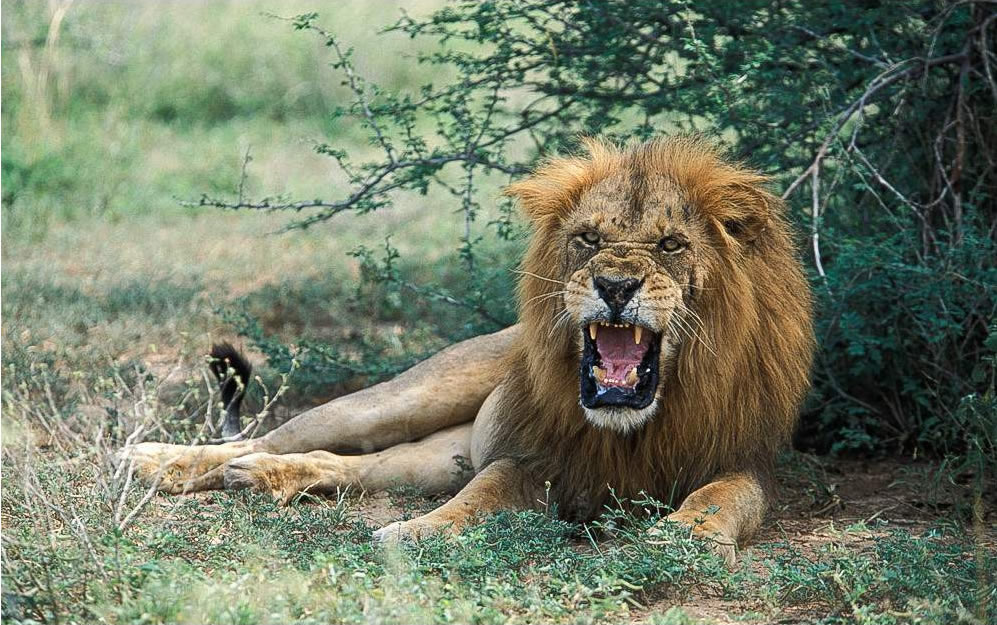
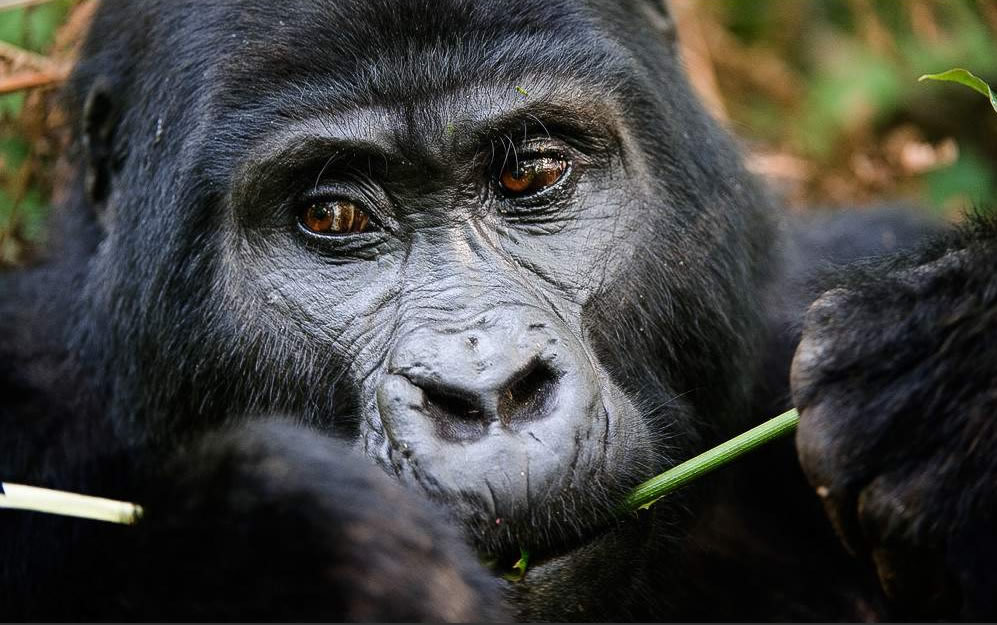
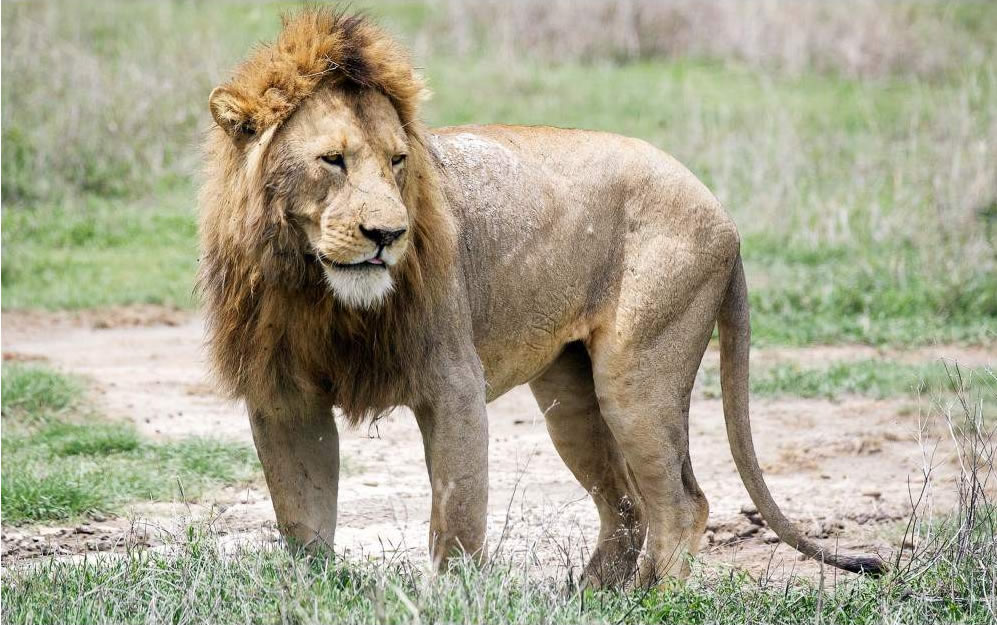
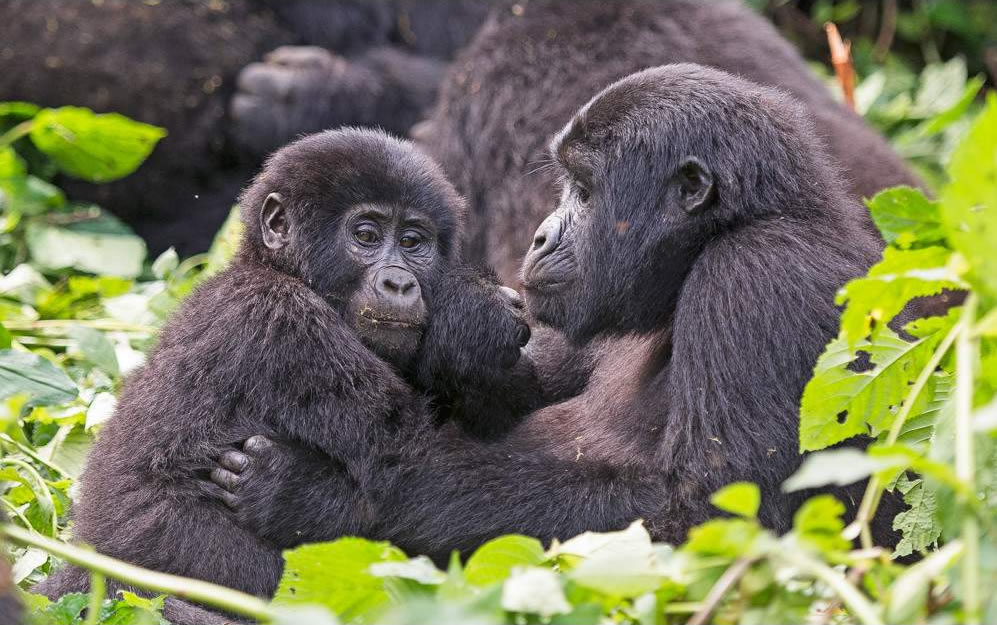
The country’s diverse ecosystems are home to an array of wildlife, making it a prime destination for safaris. From majestic elephants roaming the plains to elusive mountain gorillas peering through dense foliage, Uganda’s national parks promise unforgettable encounters with nature. Planning your visit can enhance your experience significantly—timing can make all the difference when it comes to weather conditions and wildlife sightings.
So what’s the best time to embark on your Ugandan adventure? Let’s journey through what you need to know about Uganda’s seasons and discover when you should pack your bags for those incredible ugandasafaris!
Weather and Climate in Uganda
Uganda boasts a tropical climate, characterized by warm temperatures and seasonal rainfall. The weather is typically pleasant year-round, making it an attractive destination for travelers.
Rainy seasons occur from March to May and again from October to November. During these months, expect lush landscapes and vibrant flora. However, the rain can make some roads challenging for travel.
The dry season spans December to February and June to September. These months are ideal for ugandasafaris as wildlife tends to congregate around water sources, enhancing your chances of spotting animals.
Temperatures vary depending on altitude but generally range from 20°C to 30°C (68°F – 86°F). In higher regions like the Rwenzori Mountains or Bwindi Impenetrable National Park, nights can be cooler.
Packing layers will prepare you for shifts in temperature throughout the day while ensuring comfort during your gorillatours adventure.
Peak Season vs Off-Season Travel
Traveling to Uganda offers different experiences depending on the season. Peak season, which runs from June to September and December to February, attracts many visitors eager for gorillatours and other adventures. During these months, wildlife is more active, making it easier to spot animals in their natural habitats.
In contrast, off-season travel occurs between March and May or October through November. While rain may be frequent during this period, the landscapes transform into lush green vistas. Fewer tourists roam the parks as well.
This quieter atmosphere allows for a more intimate experience with nature and local culture. Prices for accommodations often drop too, making it more budget-friendly without sacrificing quality.
Both seasons have unique charms that cater to different types of travelers seeking ugandasafaris or cultural immersion. The choice ultimately depends on personal preferences regarding crowds and weather conditions.
Top Tourist Attractions in Uganda
Uganda is a treasure trove of natural wonders and cultural experiences. One standout destination is Bwindi Impenetrable National Park, renowned for its mountain gorillas. Tracking these magnificent creatures through lush vegetation is an unforgettable adventure.
Another must-visit site is Murchison Falls National Park, where the Nile River dramatically plunges through a narrow gorge. Here, you can enjoy thrilling boat safaris and spot diverse wildlife along the riverbanks.
Don’t miss Lake Victoria, one of Africa’s largest lakes. It offers serene beaches and vibrant local markets that showcase Ugandan culture.
The Rwenzori Mountains also beckon with their breathtaking scenery and challenging hikes for outdoor enthusiasts. Each attraction reveals Uganda’s rich biodiversity and stunning landscapes, making it a haven for nature lovers and adventurers alike.
Best Time to See Wildlife in National Parks
Uganda is a wildlife enthusiast’s paradise. The best time to see the incredible biodiversity in its national parks hinges on both climate and animal behavior.
During the dry seasons, particularly from June to September and December to February, animals congregate around water sources. This makes for easier sightings during safaris.
Gorilla trekking peaks during these months too. Trekking through Bwindi Impenetrable Forest or Mgahinga National Park becomes more manageable when paths are less muddy, allowing for better encounters with the majestic mountain gorillas.
Birdwatchers should consider visiting in late March through April or October through November. Migratory birds flock here during these periods, bringing vibrant colors and melodious sounds that transform Uganda’s landscapes into an avian haven.
In essence, each season offers unique experiences worth considering when planning your ugandasafaris or gorillatours.
Festivals and Events in Different Seasons
Uganda is a vibrant tapestry of cultures and traditions, celebrated through lively festivals and events throughout the year. Each season offers unique experiences that showcase the nation’s rich heritage.
In February, the Kampala Capital City Festival kicks off with music, dance, and art. It draws locals and tourists alike for a celebration of Ugandan identity.
April brings the Nyege Nyege Festival in Jinja, attracting electronic music lovers from around the globe. The riverside setting adds to its charm as artists perform under twinkling lights.
The end of September marks the Entebbe Craft Market Day, where local artisans display handmade crafts. It’s an excellent opportunity for visitors to take home a piece of Uganda’s artistry.
Throughout these events, you’ll find an abundance of traditional foods and regional delicacies that enhance your travel experience beyond just sight-seeing.
Tips for Traveling to Uganda at Any Time of Year
Traveling to Uganda can be a thrilling experience, regardless of the season. One essential tip is to pack layers. The weather can change quickly, especially in the mountainous areas.
Consider bringing sturdy footwear if you plan on hiking or exploring national parks. Trails can be rugged and muddy during rainy seasons.
Don’t forget your camera! Wildlife encounters are abundant here, particularly for those interested in gorillatours. Capture unforgettable moments from your adventures.
Stay hydrated and always carry bottled water while out and about. It’s key to maintaining energy levels during hikes or city tours.
Familiarize yourself with local customs before your visit. Engaging with locals is rewarding and respectful, enhancing your overall travel experience in this beautiful country.
Conclusion
When planning a trip to Uganda, understanding the best time to visit can significantly enhance your experience. Whether you’re drawn by the allure of gorilla tours or immersive safaris through stunning national parks, timing is essential. The ideal season often hinges on personal preferences and what you hope to see.
Uganda’s diverse climate allows for incredible wildlife sightings year-round, but knowing when animals are most active can make all the difference. From vibrant festivals that showcase local culture to breathtaking views in lush landscapes, there’s always something happening.
Traveling during peak seasons offers certain conveniences but coming in the off-season provides unique opportunities for exploration without crowds. Whichever period you choose, Uganda promises unforgettable adventures filled with rich history and captivating encounters with nature.
Pack your bags and prepare for an adventure of a lifetime—your Ugandan safari awaits!